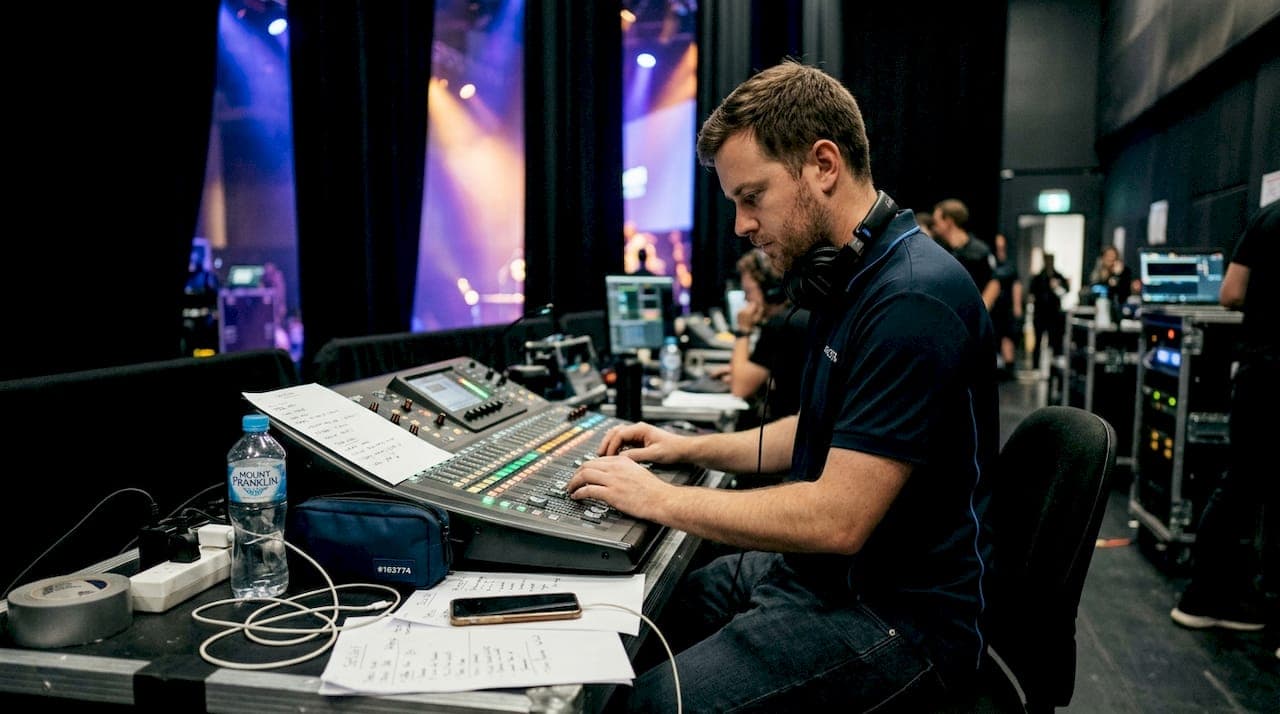
Advanced AV strategies at Australian corporate events deliver 35% higher sponsor satisfaction and nearly 30% better attendee retention — outcomes that catch many planners off guard. Yet a surprising number of event managers still treat AV as an afterthought, booking it last and budgeting for it least. The reality is that audio visual technology shapes every moment of your event, from the first keynote to the final applause. This guide breaks down what AV actually means for large-scale events, which components matter most, how to measure the return on investment, and what to look for when choosing a partner who can deliver it all without a hitch.
Table of Contents
- What does AV mean for large events?
- Key AV components for large-scale success
- Benefits and ROI of professional AV for events
- How to choose the right AV partner for your next large event
- What most AV guides miss: Integration is the real differentiator
- Level up your next event with expert AV solutions
- Frequently asked questions
Key Takeaways
| Point | Details |
|---|---|
| AV goes beyond basics | True professional AV for large events means integrated sound, visuals, and lighting for audience impact. |
| Boosts ROI and satisfaction | Quality AV significantly increases sponsor satisfaction and attendee engagement at large Australian events. |
| Choose partners wisely | Selecting a skilled AV partner with proven experience ensures seamless events and minimises risk. |
| Integration is essential | Synergy between all AV components is what sets successful events apart from the rest. |
What does AV mean for large events?
AV stands for audio visual, but in the context of large events, it covers far more ground than most planners initially expect. Understanding the full scope is the first step toward running an event that genuinely impresses. The event AV basics go well beyond a microphone and a projector screen.
At its core, AV for large events includes:
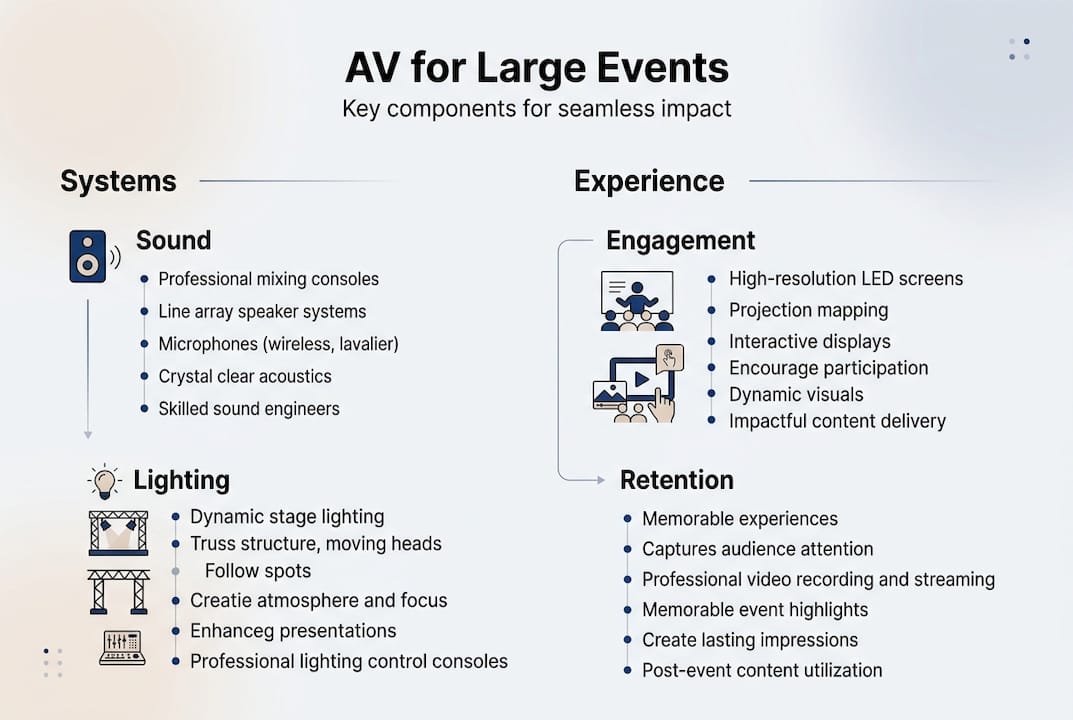
- Audio systems: Speaker arrays, subwoofers, microphones (handheld, lapel, and panel), and mixing desks that ensure every word reaches every seat clearly.
- Visual displays: LED walls, projection systems, confidence monitors, and digital signage that keep audiences informed and engaged.
- Lighting: Stage wash, spotlights, gobo projections, and dynamic colour effects that set the mood and direct audience attention.
- Video production: Live switching, recording, and livestreaming capabilities that extend your event's reach far beyond the room.
- Integration and control: Centralised systems that synchronise audio, visuals, and lighting so everything runs on cue.
A common misconception is that AV is simply about making sure people can hear the speaker. In reality, AV technology explained shows it is the backbone of the entire attendee experience. Poor sound breaks concentration. Weak visuals lose engagement. Uncoordinated lighting undermines the professionalism of your brand.
The scale of investment in this space reflects its importance. Production and lighting for events is a $1.2 billion sector in Australia, and that figure continues to climb as event expectations rise. Clients and attendees arrive expecting broadcast-quality production, not just functional equipment.
| AV element | Primary function | Impact on attendees |
|---|---|---|
| Sound system | Clarity of speech and music | Comprehension and comfort |
| LED wall or projection | Visual storytelling | Engagement and brand recall |
| Stage lighting | Atmosphere and focus | Emotional connection |
| Video production | Recording and livestreaming | Extended reach and replay value |
| Integration systems | Synchronised control | Seamless, professional flow |
Pro Tip: When briefing an AV provider, describe the experience you want attendees to have, not just the equipment list. A skilled AV team will reverse-engineer the right technical solution from your desired outcome.
Key AV components for large-scale success
With the scope of AV established, it helps to understand how each component contributes to the overall success of a large event. Think of your AV setup as a production chain where every link matters.
- Sound systems: Clear, evenly distributed audio is non-negotiable. Line array speaker systems are standard for large venues because they project sound consistently across long distances without dead spots or feedback issues.
- Microphones: The right microphone for each presenter matters. A keynote speaker benefits from a discreet lapel mic, while a panel discussion needs individual gooseneck or handheld options for flexibility.
- Visual displays: LED walls offer brightness and resolution that projectors cannot match in daylight or bright venue lighting. For very large rooms, distributed screens ensure sightlines for every seat.
- Stage lighting: Lighting does more than illuminate the stage. It guides audience focus, reinforces brand colours, and signals transitions between programme segments.
- Integration and control systems: A centralised control desk allows one operator to manage sound, lighting, and visuals simultaneously, reducing the risk of timing errors.
The AV equipment explained in detail shows just how interdependent these components are. Upgrading one without considering the others often creates new problems rather than solving existing ones.
Synchronisation is where best-in-class events separate themselves. When a presenter's slide advances, the lighting shifts, the music fades, and the camera cuts, all at precisely the right moment, the audience experiences something polished and immersive. That level of coordination does not happen by accident.
Research confirms the payoff. Events that invest in well-coordinated AV strategies see 28% better attendee retention compared to those that rely on basic setups. Attendees who stay engaged are more likely to act on event messaging, return next year, and recommend the event to peers.
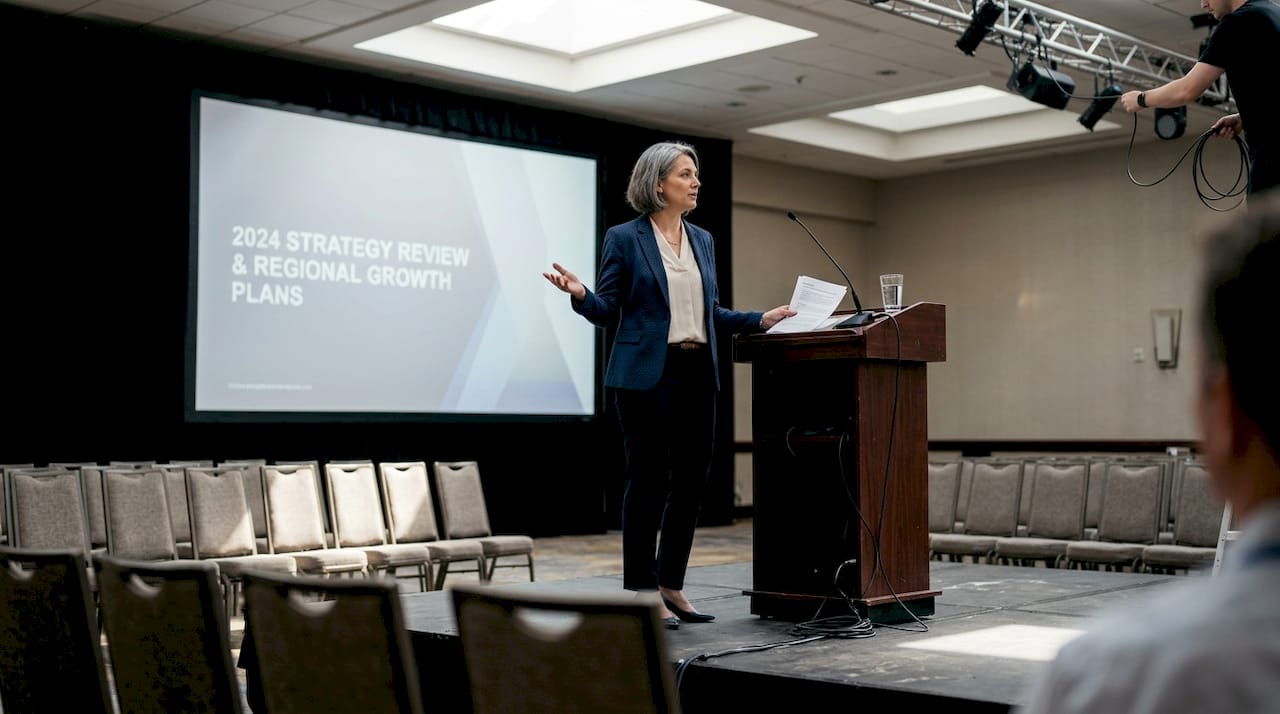
Exploring the different types of AV setups available helps planners match the right configuration to their specific venue, audience size, and programme format.
Pro Tip: Always request a full technical rehearsal with all components running together, not just individual equipment checks. This is the only reliable way to catch integration issues before your guests arrive.
Benefits and ROI of professional AV for events
Investing in professional AV is not simply about aesthetics. It produces measurable outcomes that matter to every stakeholder involved, from sponsors to C-suite attendees to the planning team itself.
The numbers speak clearly. Events using advanced AV strategies achieve 35% higher sponsor satisfaction than those relying on basic setups. Sponsors pay for visibility and impact. When your LED wall is crisp, your sound is clean, and your branding is consistent across every screen, sponsors notice and renew.
The AV solutions benefits extend well beyond sponsor metrics:
- Reduced event downtime: Professional-grade equipment with redundancy built in means technical failures are rare and recoverable.
- Stronger brand presentation: Consistent visual and audio quality reinforces your organisation's credibility and professionalism.
- Higher audience engagement: Immersive AV keeps attendees present and attentive rather than distracted by poor sound or hard-to-read slides.
- Positive post-event feedback: Attendees remember how an event felt, and professional AV is a major driver of that feeling.
- Increased repeat attendance: When people have a great experience, they come back.
Every dollar invested in quality AV not only improves the attendee experience but also increases ROI through better sponsor outcomes and stronger post-event sentiment.
The case for custom AV solutions is equally compelling. Off-the-shelf setups rarely account for venue acoustics, audience layout, or programme complexity. A tailored AV plan addresses those variables directly, reducing risk and improving outcomes.
For event managers reporting to boards or finance teams, the ROI argument is straightforward. Better AV means better sponsor retention, higher ticket renewals, and reduced costs from technical failures. It is one of the few event investments that pays dividends across multiple budget lines simultaneously.
How to choose the right AV partner for your next large event
Knowing what good AV looks like is one thing. Finding a partner who can reliably deliver it at scale is another. Australia's event production market is valued at $1.2 billion, which means there is no shortage of providers, but quality varies considerably.
Here is a practical process for selecting the right AV partner:
- Verify proven experience at your event scale. Ask for case studies or references from events with similar audience sizes, venue types, and programme complexity. A provider experienced in 50-person boardrooms is not automatically equipped for a 1,500-person conference.
- Assess equipment quality and ownership. Providers who own their equipment maintain it better and respond faster when something needs replacing. Rental-only providers may introduce unfamiliar gear at the last minute.
- Confirm integration capabilities. Ask specifically how they manage the connection between audio, visual, and lighting systems. A unified control approach is far more reliable than separate operators managing each element independently.
- Demand a contingency plan. Every professional AV partner should have documented backup procedures for equipment failure, power issues, and connectivity problems. If they cannot describe their contingency plan clearly, that is a warning sign.
- Evaluate communication and support. A dedicated account manager who understands your event and is reachable throughout the planning process is worth more than a cheaper quote from a provider who goes quiet between booking and bump-in.
Understanding the full AV event management process helps you ask the right questions during the selection phase. The most common mistakes planners make are booking too late, underestimating the technical complexity of their venue, and providing vague briefs that leave too much to interpretation.
The best AV solutions in Australia combine technical expertise with genuine service commitment. Look for a partner who treats your event as their own.
Pro Tip: Book your AV partner before you finalise your venue. AV requirements can influence which venue works best, and locking in your provider early gives them time to conduct a proper site survey.
What most AV guides miss: Integration is the real differentiator
Most AV planning guides focus on equipment lists and budget percentages. What they rarely address is the single factor that separates a polished, professional event from a technically competent but forgettable one: integration.
We have seen events equipped with premium sound systems, high-resolution LED walls, and sophisticated lighting rigs that still fell flat. The reason is almost always the same. Each element was managed independently, with no unified control or communication between operators. The result is a disjointed experience where audio lags behind visuals, lighting cues miss their mark, and transitions feel clumsy.
True integration means every system speaks the same language, controlled from a single point, with operators who rehearse together and understand the programme inside out. It is not a technical luxury. It is the baseline for any large event that takes its audience seriously.
Planners should insist on seeing advanced AV integration demonstrated during the proposal stage, not just described in a brochure. Ask how the team communicates during the event, how cues are managed, and what happens when something changes at the last minute. The answers will tell you everything about whether a provider is genuinely integrated or simply well-equipped.
Level up your next event with expert AV solutions
The insights in this guide point to one clear conclusion: professional, integrated AV is not optional for large-scale corporate events. It is the foundation on which every other element of your event's success is built.
We work with corporate event planners across Australia to deliver end-to-end AV solutions that are tailored, reliable, and built for impact. Whether you need AV equipment hire for a one-off conference or a fully managed production for a recurring flagship event, our experienced team is ready to support you. Explore our conference AV explained resources to understand what a professional setup looks like, or contact us directly to discuss your next event. Our audio visual solutions are designed to take the stress out of AV planning and put the focus back where it belongs: on your audience.
Frequently asked questions
Why is AV so crucial for large events in Australia?
AV delivers the clarity, engagement, and production value large audiences expect, directly boosting sponsor satisfaction and retention by 35% and 28% respectively. Without it, even well-organised events fall short of attendee and sponsor expectations.
What should I check before choosing an AV provider?
Verify their experience at your event scale, confirm they own quality equipment, and ask specifically about integration capabilities and contingency planning. Australia's event production sector is valued at $1.2 billion, so options are plentiful, but not all providers are equal.
How does AV impact sponsor outcomes and attendee engagement?
Professional AV lifts sponsor satisfaction by 35% and creates a smoother, more interactive experience that keeps guests engaged and more likely to return. Sponsors respond directly to the quality of how their brand is presented on screen and in the room.
What's the biggest mistake in AV planning for large events?
The most common issue is last-minute booking combined with a failure to coordinate all AV elements for integrated performance. Booking early and insisting on a full technical rehearsal with all systems running together eliminates most preventable problems.