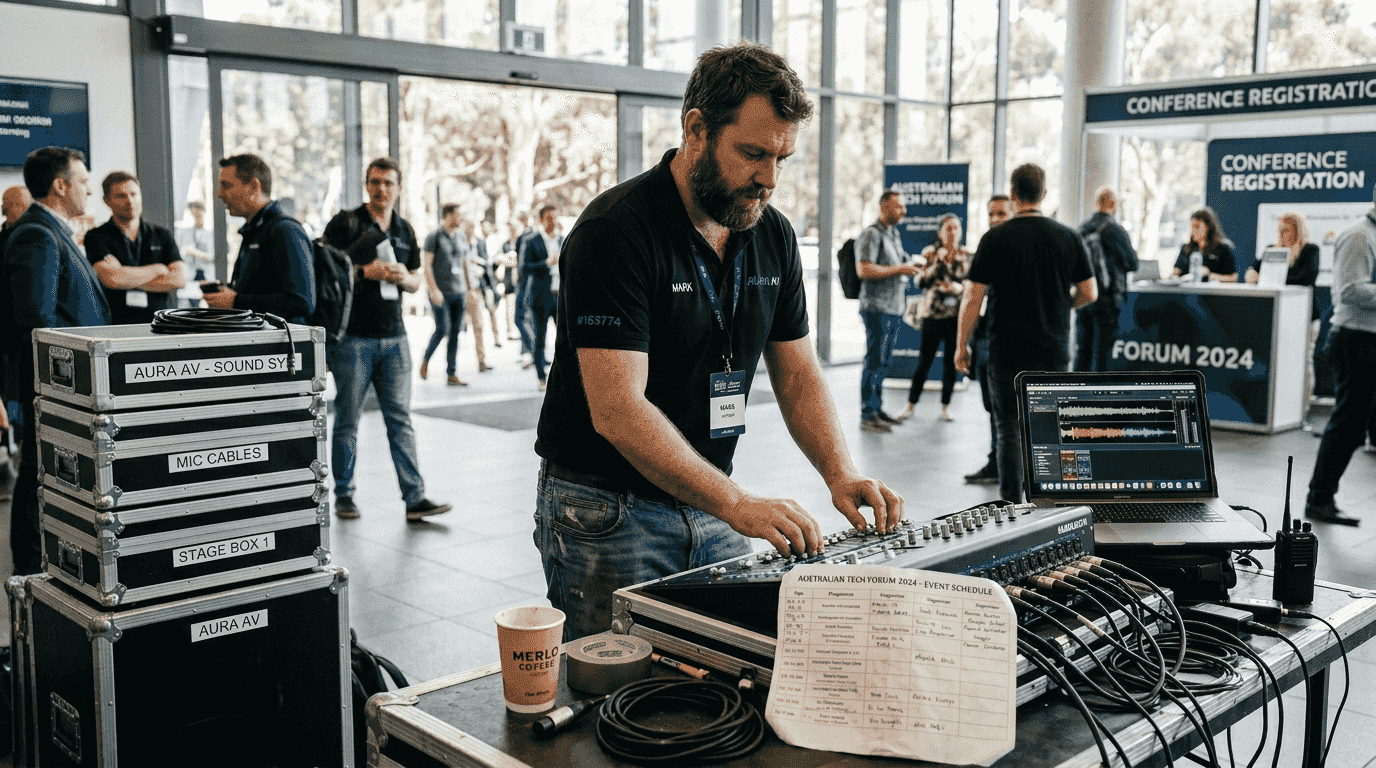
Corporate events in Australia are evolving rapidly, with hybrid events seeing a 30% increase in adoption over the past year. Yet many event planners feel overwhelmed by the complexity of audio visual technology. Understanding what equipment does, how it works together, and why each component matters can transform your event from ordinary to exceptional. This guide breaks down the essentials of AV equipment, helping you navigate lighting, audio, vision systems, and connectivity with confidence. Whether you're planning a small corporate gathering or a large-scale conference, mastering these fundamentals ensures your event delivers impact and keeps attendees engaged from start to finish.
Table of Contents
- Understanding the core components of AV equipment
- How integrated AV solutions elevate hybrid and corporate events
- Comparing different AV setups for corporate events in Australia
- Best practices for coordinating AV equipment at your event
- Explore professional AV services for your 2026 event
- Frequently asked questions
Key takeaways
| Point | Details |
|---|---|
| Core AV components | Lighting, audio, vision, multimedia, rigging, and internet connectivity work together to create immersive event experiences |
| Integration matters | Seamlessly combining AV elements with professional support prevents technical failures and elevates audience engagement |
| Setup selection | Matching your AV configuration to event size, interactivity needs, and venue constraints optimises both budget and impact |
| Professional coordination | Experienced technicians provide expertise, rapid troubleshooting, and peace of mind throughout your event |
| 2026 trends | Hybrid event growth and smart technology integration are reshaping corporate AV requirements across Australia |
Understanding the core components of AV equipment
Audio visual equipment encompasses six fundamental categories that work in concert to deliver memorable corporate events. Each element serves a distinct purpose, yet their true power emerges when integrated thoughtfully.
Lighting equipment sets the mood and directs audience focus throughout your event. Spotlights highlight keynote speakers, while ambient lighting creates atmosphere during networking sessions. Intelligent lighting systems can shift colours and intensity to match presentation themes, transforming a standard conference room into a dynamic environment. LED fixtures offer energy efficiency and versatile colour options, whilst traditional stage lighting provides powerful illumination for larger venues.
Audio gear ensures every word reaches your audience with crystal clarity. Microphones capture speaker voices, with options ranging from handheld units to discreet lapel clips and boundary mics for panel discussions. Speakers distribute sound evenly across your venue, preventing dead zones where attendees struggle to hear. Mixing consoles balance audio levels in real time, whilst digital signal processors eliminate feedback and optimise sound quality. Poor audio undermines even the most compelling content, making this component non-negotiable for professional events.
Vision components bring visual content to life through projectors, LED screens, and cameras. Projectors suit traditional presentation formats, whilst LED walls deliver vibrant imagery visible even in bright environments. Cameras enable live video feeds for remote participants and capture content for post-event distribution. Switching systems allow seamless transitions between multiple video sources, maintaining professional polish throughout your programme.
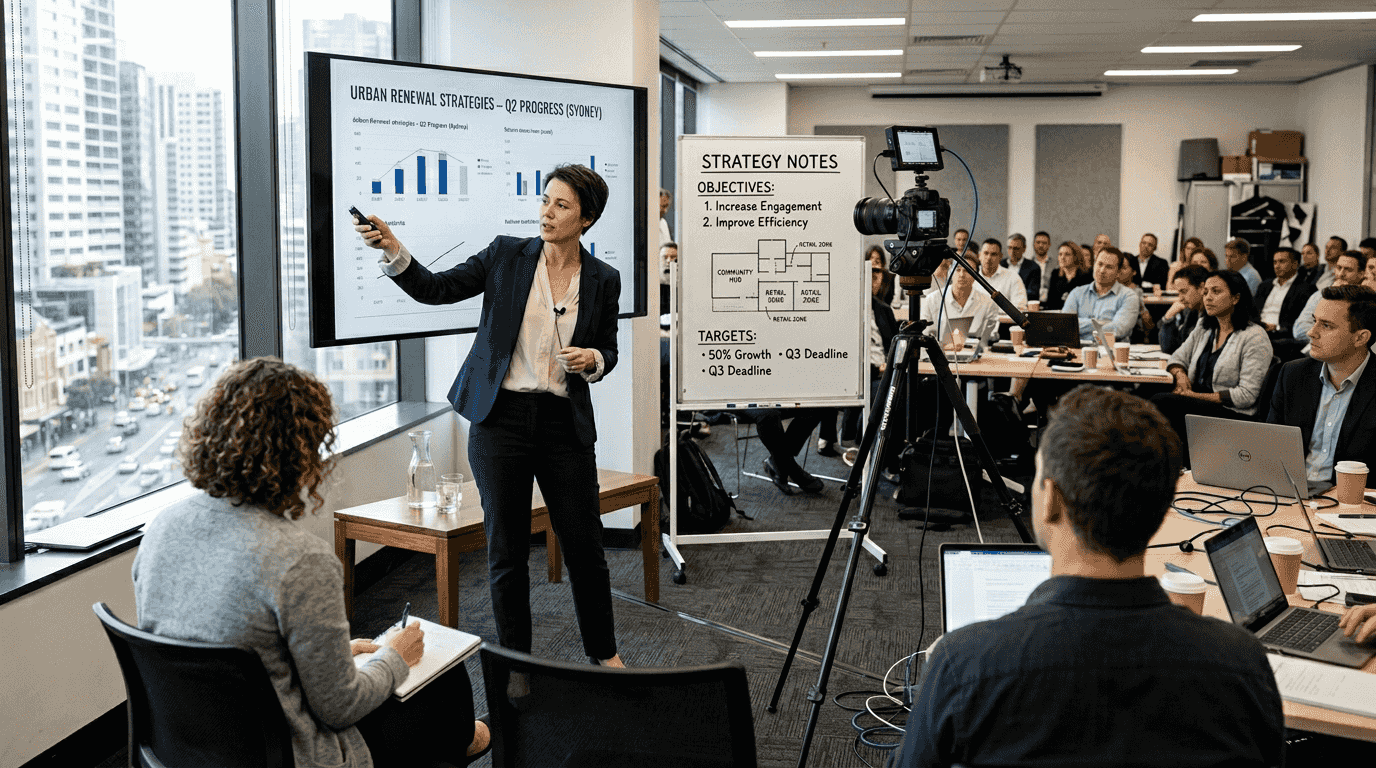
Multimedia devices manage content playback through laptops, media servers, and digital signage systems. These tools ensure presentations, videos, and graphics display flawlessly at the right moments. Modern systems support interactive elements like live polling and social media feeds, boosting audience participation.
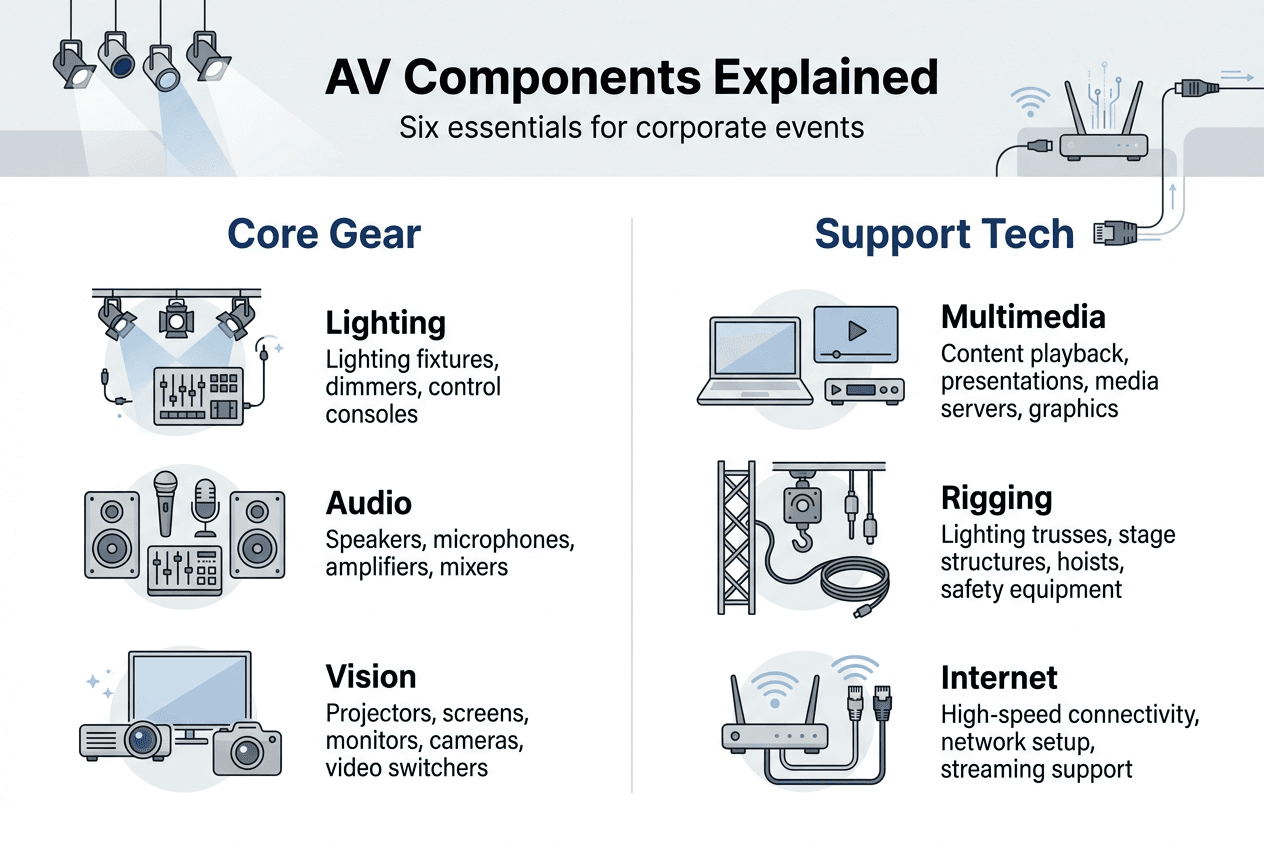
Rigging provides the structural framework for safely mounting and positioning AV gear. Trusses, stands, and ceiling mounts keep equipment secure whilst maintaining sightlines. Professional rigging prevents accidents and ensures optimal equipment placement for maximum effect.
Internet connectivity has become essential infrastructure, particularly for hybrid events requiring stable streaming and real-time collaboration. Dedicated networks prevent bandwidth bottlenecks, whilst backup connections provide redundancy if primary systems fail.
Tailoring AV solutions across these six categories ensures your event exceeds guest expectations. The key lies in understanding how each component supports your specific objectives, then selecting equipment that aligns with your venue, audience size, and engagement goals. Professional audio visual solutions integrate these elements seamlessly, creating cohesive experiences rather than disconnected technical displays.
How integrated AV solutions elevate hybrid and corporate events
The shift towards hybrid events has fundamentally changed how we approach audio visual planning. Hybrid event adoption increased 30% among corporate gatherings in the past year, driven by organisations seeking to expand reach whilst maintaining in-person connections. This evolution demands AV systems that serve both physical and virtual audiences simultaneously without compromise.
Integrated solutions deliver benefits that isolated equipment cannot match:
- Seamless connectivity between in-room and remote participants creates unified experiences where everyone feels equally engaged
- 24/7 technical support prevents minor issues from escalating into event-disrupting failures
- Centralised control systems allow operators to manage lighting, audio, and video from single interfaces, reducing complexity
- Consistent quality across all touchpoints reinforces your brand's professional image
- Real-time monitoring identifies and resolves problems before audiences notice them
When you combine lighting, audio, and vision strategically, audience engagement multiplies. Dramatic lighting shifts during product reveals create anticipation. Spatial audio makes virtual attendees feel present in the room. Multi-camera setups provide dynamic viewing angles that maintain visual interest throughout lengthy presentations. These elements working together transform passive listening into active experience.
In-house AV solutions provide seamless connectivity and support, which proves crucial for event success. Venues with integrated systems eliminate compatibility issues between disparate equipment pieces. You avoid the technical debt that accumulates when cobbling together gear from multiple sources.
Pro Tip: Always conduct full system tests at least 48 hours before your event begins. This window allows time to source replacement equipment or adjust configurations if integration issues surface. Testing under actual event conditions, including peak network load and full lighting sequences, reveals problems that bench tests miss.
The Melbourne Convention and Exhibition Centre notes that professional AV integration incorporating smart technology, creative design, and local expertise creates the dynamic experiences today's corporate audiences expect. This approach moves beyond simply projecting slides to crafting immersive environments where technology serves content rather than overshadowing it.
Engaging corporate AV solutions recognise that technical excellence means nothing if it doesn't support your communication objectives. The best integrations become invisible, allowing your message and brand to shine whilst technology works quietly in the background.
Comparing different AV setups for corporate events in Australia
Selecting the right AV configuration requires balancing multiple factors against your event's unique requirements. Different setups offer distinct advantages depending on your priorities.
| Setup Type | Cost Range | Complexity | Scalability | Best For |
|---|---|---|---|---|
| Basic | Low | Simple | Limited | Small meetings, presentations under 50 people, single-room events |
| Advanced | Medium-High | Moderate | Good | Multi-session conferences, product launches, events requiring broadcast quality |
| Fixed Installation | High upfront | Low ongoing | Excellent | Venues hosting frequent events, consistent technical requirements |
| Modular/Hybrid | Medium | High | Excellent | Events with changing needs, multi-venue programmes, experimental formats |
Basic setups typically include a projector or screen, wireless microphone, and portable speakers. These systems work well for straightforward presentations where technical spectacle isn't the focus. Setup and operation require minimal expertise, making them accessible for internal teams managing smaller gatherings.
Advanced configurations add multiple cameras, professional mixing consoles, intelligent lighting, and streaming infrastructure. These systems support sophisticated productions with broadcast-quality output. They require skilled operators but deliver polished results that elevate your brand perception.
Fixed installations integrate AV equipment permanently into venue infrastructure. Conference centres and corporate headquarters often invest in these systems to ensure consistent quality across repeated events. Initial costs run higher, but per-event expenses decrease significantly over time.
Modular hybrid setups combine portable equipment with venue infrastructure, offering maximum flexibility. You can scale components up or down based on specific event needs, adding cameras for one conference whilst focusing on audio for another. This approach suits organisations running diverse event portfolios.
Consider these factors when selecting your setup:
- Event size and venue dimensions determine required equipment power and coverage area
- Interactivity needs influence camera quantities, microphone types, and display configurations
- Venue constraints like ceiling height, power availability, and ambient light affect equipment selection
- Budget limitations may require prioritising certain components over others
- Technical support availability impacts whether you can manage complex systems reliably
Pro Tip: When evaluating AV setups, consider not just immediate needs but future scalability. Equipment that grows with your event programme delivers better long-term value than systems requiring complete replacement when requirements evolve. Discuss expansion pathways with vendors during initial planning.
Audio visual setups comparison reveals that the most expensive option isn't always the best choice. A well-executed basic setup often outperforms poorly implemented advanced systems. Match your configuration to actual requirements rather than selecting based on features you'll never use.
Best practices for coordinating AV equipment at your event
Flawless AV execution requires meticulous planning and systematic coordination. Follow this proven sequence to maximise your chances of technical success:
-
Pre-event setup: Arrive early to position equipment, run cables, and configure systems before attendees enter. This phase typically requires 2-4 hours for moderate setups, longer for complex installations.
-
System testing: Verify every component functions correctly, including backup equipment. Test audio at various volume levels, check video signal quality, and confirm lighting cues trigger properly.
-
Rehearsals: Run through your entire programme with presenters using actual equipment. This reveals timing issues, identifies awkward transitions, and builds speaker confidence with technology.
-
Live monitoring: Station technicians where they can observe both equipment and audience reactions. Quick adjustments to audio levels or lighting prevent small issues from disrupting the experience.
-
Post-event teardown: Systematically power down and pack equipment, documenting any issues encountered for future reference. Proper teardown prevents damage and ensures gear remains ready for your next event.
Collaboration with experienced AV technicians transforms good events into exceptional ones. These professionals bring deep equipment knowledge, rapid troubleshooting skills, and the composure to handle unexpected challenges without panic. They anticipate problems before they occur, implementing preventive measures that keep your event running smoothly.
Pro Tip: Incorporate creative lighting and visual theming that reinforces your event's core message. Strategic colour choices, dynamic lighting transitions, and branded visual elements create memorable atmospheres that attendees associate with your organisation long after the event concludes. Smart tech integration and creative design prove crucial for dynamic, engaging event experiences.
Backup plans and redundancy separate amateur productions from professional operations. Maintain spare microphones, backup laptops with presentation files, and alternative internet connections. When primary systems fail, seamless failover to backups keeps your event on track whilst technicians resolve underlying issues.
Early communication between planners and AV providers establishes realistic expectations and prevents last-minute surprises. Share detailed run sheets, presenter requirements, and venue specifications well in advance. This dialogue allows providers to recommend optimal solutions and flag potential challenges whilst you still have time to adjust plans.
The AV technician role extends beyond button-pushing to strategic partnership. The best technicians understand your event objectives and proactively suggest technical approaches that enhance outcomes. They become extensions of your team, invested in your success rather than simply fulfilling contractual obligations.
Explore professional AV services for your 2026 event
Delivering exceptional corporate events in Australia requires more than understanding AV equipment. It demands access to proven expertise and comprehensive support systems that transform technical knowledge into flawless execution.
Professional AV services eliminate the stress of managing complex technology whilst ensuring your event achieves its communication objectives. When you're coordinating speakers, managing logistics, and overseeing countless details, having specialists handle audio visual elements frees your attention for strategic priorities. These partnerships provide not just equipment but complete solutions tailored to your specific requirements.
Explore expert audio visual solutions designed specifically for corporate events and conferences across Australia. Discover how experienced AV technicians bring technical proficiency and creative problem-solving to every project. Compare AV setups for corporate events to identify configurations that align with your objectives and budget. Professional providers combine cutting-edge equipment with personalised service, positioning themselves as trusted partners who share accountability for your event's success.
Frequently asked questions
What types of AV equipment are essential for hybrid events?
Hybrid events require cameras for capturing presenters and audience interactions, professional microphones to ensure clear audio for remote participants, and streaming encoders that transmit content reliably. Stable, high-bandwidth internet connectivity forms the foundation, whilst interactive technologies like live polling platforms and chat systems enable virtual attendees to participate actively. Display screens showing remote participants help in-room audiences feel connected to their online counterparts.
How can I ensure my AV setup supports audience engagement?
Prioritise crystal-clear audio quality, as poor sound drives attendees to disengage faster than any other technical issue. Dynamic visuals through multiple camera angles, creative lighting, and high-resolution displays maintain visual interest throughout your programme. Interactive features like live Q&A systems, audience response tools, and social media integration transform passive viewers into active participants. Professional operators monitoring audience reactions can adjust technical elements in real time to sustain engagement levels.
What are the advantages of hiring professional AV technicians?
Professional technicians bring specialised expertise in equipment operation, signal flow, and system integration that prevents technical failures. Their troubleshooting skills allow rapid problem resolution when issues arise, minimising disruption to your event. Deep equipment knowledge means they can optimise system performance beyond basic operation, extracting maximum quality from available gear. Perhaps most valuable is the peace of mind knowing experienced professionals are managing technology, allowing you to focus on content and attendee experience rather than technical concerns.
How do AV trends in 2026 impact corporate event planning?
The 30% increase in hybrid event adoption among corporate gatherings reflects fundamental shifts in how organisations approach events. Planners must now design for dual audiences, ensuring virtual participants receive experiences comparable to in-room attendees. Smart technology integration, including AI-powered cameras that automatically track speakers and analytics platforms measuring engagement, provides data-driven insights for continuous improvement. Tailored AV solutions that adapt to specific event objectives rather than one-size-fits-all approaches have become the expectation, pushing planners to develop deeper technical literacy and stronger vendor partnerships.
Recommended
- Why use AV solutions for engaging corporate events in 2026
- Types of audio visual setups for corporate events in 2026
- How to enhance event visuals for corporate events in 2026
- Audio Visual Equipment Hire - AV Solutions in Melbourne
- Corporate Event Entertainment Ideas You Wont Forget!
- Pro AV tips for signage: optimize displays in 2026